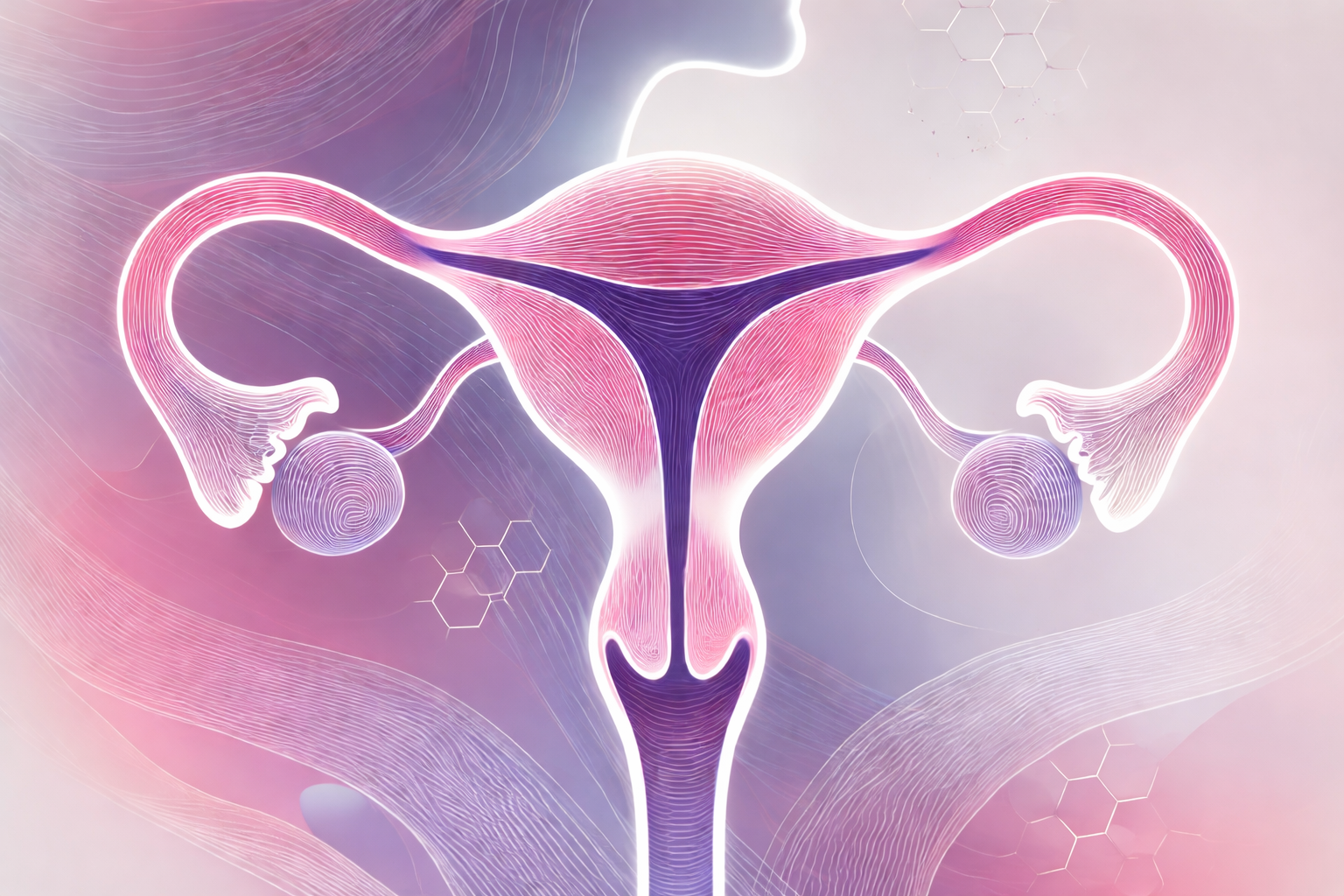
Polycystic Ovary Syndrome (PCOS) is a form of hormonal and metabolic imbalance that commonly affect women of reproductive age. Women living with PCOS produce high levels of androgens (such as testosterone, DHEA, and androstenedione) – hormones naturally produced in higher amounts by men than women. As a result, the ovaries are obstructed by underdeveloped, immature sacs containing eggs that fail to ovulate but instead form multiple small follicles (small fluid-filled sacs) which cause changes the woman’s reproductive health, bone density, muscle mass, hair texture and distribution among others.
Symptoms, severity, and health impacts of Polycystic Ovary Syndrome vary widely and may change over time.
PCOS is not solely a reproductive condition. It also affects the metabolic, cardiovascular, and mental health of the women affected and requires long-term management.